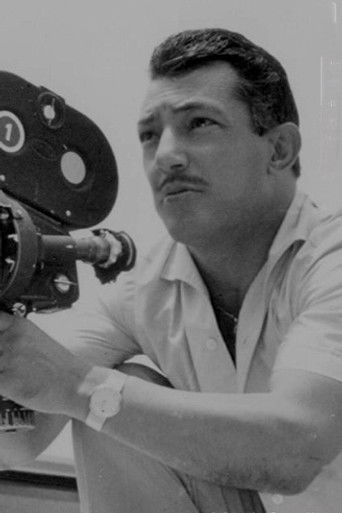
Gilberto Gazcón
Photoplayd Industry Rating
Not enough rated films yet to compute a weighted score.
Roles are weighted by involvement: director 1.0, screenwriter 0.7, lead 0.8, supporting 0.4, crew 0.1.
Gilberto Gazcón de Anda (May 19, 1929 – May 11, 2013) was a Mexican film director , screenwriter and producer. He wrote more than fifty screenplays , directed more than thirty films, won numerous awards, and was a promoter of Mexican cinema. He is best known in English-speaking countries for the neo noir thriller film Rage (1966), starring Glenn Ford and Stella Stevens . Gilberto Gazcón was born in Mexico City on 19 May 1929. He was the son of film producer and screenwriter Valentín Gazcón, and the nephew of Raúl de Anda , pioneers of Mexican sound cinema. His brother Edgardo Gazcón also became a filmmaker. He showed an aptitude for art from an early age, and was drawn to cinema, where he began as a child actor and later worked as an assistant set designer. He began writing his own screenplays, and decided to abandon his medical career and enrolled in film adaptation courses and studied acting at the Cinematographic Academy, directed by Celestino Gorostiza . The first film to be released with a plot written by him was Fierecilla (1950), directed by Fernando Méndez [ es ] , which received favorable reviews for its plot and the psychology of its characters. In 1958 he directed his first film, The Boxer. In 1966 he directed a Mexican-American co-production Rage ( El mal ), starring Glenn Ford and Stella Stevens. In 1960 he directed Lacarcel de Cananea , which was shown at the San Sebastián International Film Festival. He directed more than 30 films, including The Uprooted (1959), The Laughter of the City (1962), Stray Dog (1980), and Stray Dog II (1981). He was a founding member in 1963 of the Mexican Society of Film, Radio and Television Directors and Producers (Sociedad Mexicana de Directores y Realizadores de Cine, Radio y Televisión ), and honorary president since 1982. He died on May 11, 2013 at the age of 83, due to pulmonary complications caused by an embolism. Film director Juan Antonio de la Riva, head of the Mexican Academy of Cinematographic Arts and Sciences, described him as "a great man, who in his career as a writer and director always strove to be ambitious, always pursued quality cinema, which was demonstrated in most of his films".
Known for
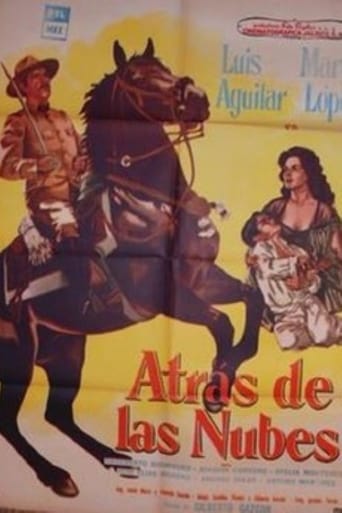
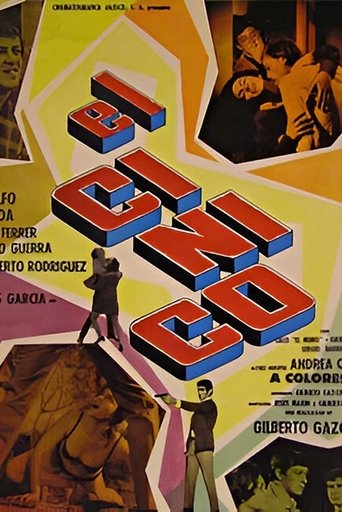
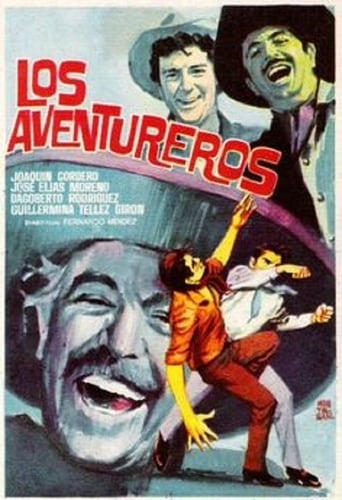
Credits
Atrás de las nubes (1962)
Director
El Cínico (1970)
Director
Cielo Rojo (1962)
Director
Perro callejero (1980)
Director
Rage (1966)
Director
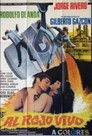
Al rojo vivo (1969)
Director
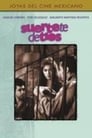
Suerte Te De Dios (1961)
Director
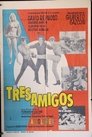
Tres amigos (1970)
Director
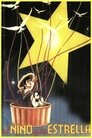
The Boy and the Star (1976)
Director
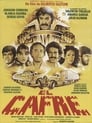
El cafre (1986)
Director
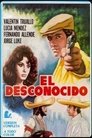
El Desconocido (1974)
Director
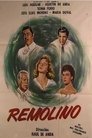
Remolino (1961)
Director
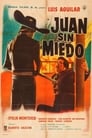
Juan sin miedo (1961)
Director
The Laughter Of The City (1963)
Director
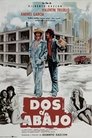
Dos de abajo (1983)
Director
El cielo y tú (1971)
Director
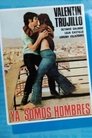
Ya somos hombres (1971)
Director
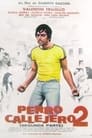
Perro callejero 2 (1981)
Director
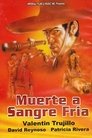
Death in Cold Blood (1978)
Director
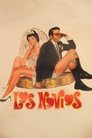
Los novios (1971)
Director
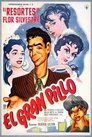
El gran pillo (1960)
Director
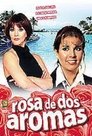
Rosa de dos aromas (1989)
Director
La cárcel de Cananea (1960)
Director
Los desarraigados (1960)
Director
Traigo la sangre caliente (1977)
Director
El boxeador (1958)
Director
Tres tristes tigres (1961)
Director