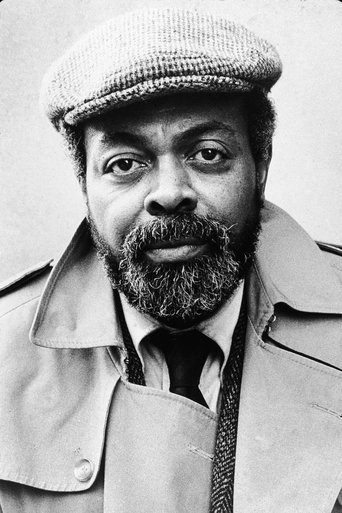
Amiri Baraka
Photoplayd Industry Rating
Not enough rated films yet to compute a weighted score.
Roles are weighted by involvement: director 1.0, screenwriter 0.7, lead 0.8, supporting 0.4, crew 0.1.
Amiri Baraka (born Everett LeRoi Jones October 7, 1934), formerly known as LeRoi Jones and Imamu Amear Baraka, is an African-American writer of poetry, drama, fiction, essays, and music criticism. He is the author of numerous books of poetry and has taught at a number of universities, including the State University of New York at Buffalo and the State University of New York at Stony Brook. He received the PEN Open Book Award, formerly known as the Beyond Margins Award, in 2008 for Tales of the Out and the Gone.
Known for

Credits
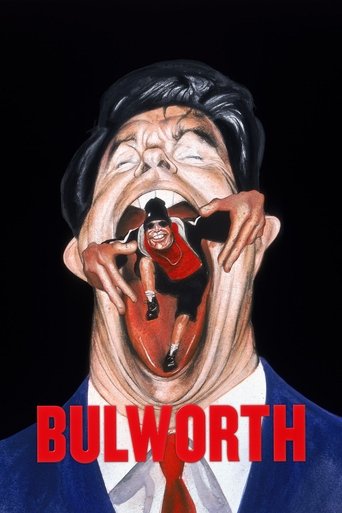
Bulworth (1998)
as Rastaman
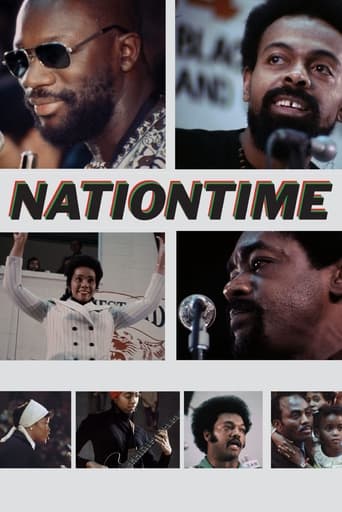
Nationtime: Gary (1972)
as Self
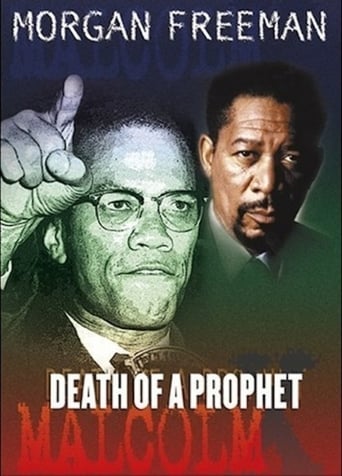
Death of a Prophet (1981)
Actor

Hubert Selby Jr: It/ll Be Better Tomorrow (2006)
as Self
The Pact (2006)
as Self
Return to Gorée (2007)
as Self
Speaking in Tongues (1982)
Actor
Obscene: A Portrait of Barney Rosset and Grove Press (2008)
as Self
Polis Is This: Charles Olson and the Persistence of Place (2007)
Actor
Black Theatre: The Making of a Movement (1978)
as Self
Ferlinghetti: A Rebirth of Wonder (2009)
as Self
The New-Ark (1969)
as Self
castelporziano ostia dei poeti (2025)
as Self - poet
1 P.M. (1971)
as Self
Poetry in Motion (1982)
as Self

Langston Hughes: The Dream Keeper (1987)
as Himself
W.E.B. DuBois: A Biography in Four Voices (1996)
as Self
In Motion: Amiri Baraka (1983)
as Himself

Turn Me On (2007)
as Self
Cecil Taylor: All The Notes (2005)
as Himself
Fried Shoes Cooked Diamonds (1979)
as Self
James Baldwin: The Price of the Ticket (1989)
as Self
Sing! Fight! Sing! Fight! From LeRoi to Amiri (2024)
as Self

New York Agora: The Legacy of the 60s Counterculture (2008)
as Himself
Poets at the Living Theater (2006)
as Self
Sun Ra: Brother From Another Planet (2005)
as Self
Scenes from Allen's Last Three Days on Earth as a Spirit (1997)
as Self
Black Journal: 23; New-Ark (1970)
as Self
I Heard It Through the Grapevine (1982)
as Self