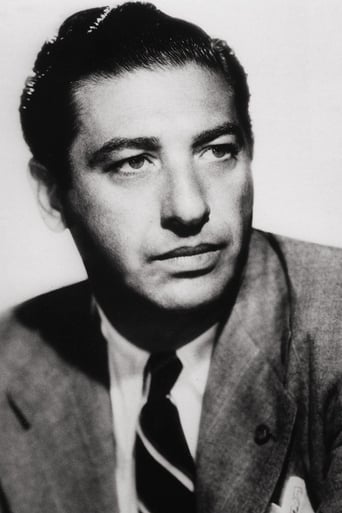
Mark Sandrich
Photoplayd Industry Rating
Not enough rated films yet to compute a weighted score.
Roles are weighted by involvement: director 1.0, screenwriter 0.7, lead 0.8, supporting 0.4, crew 0.1.
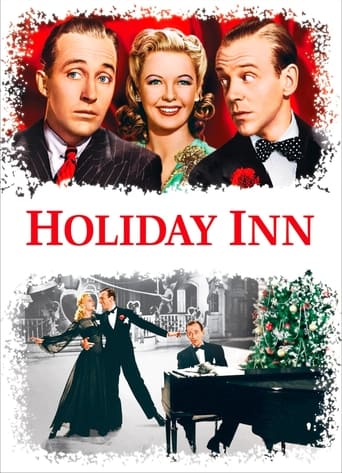
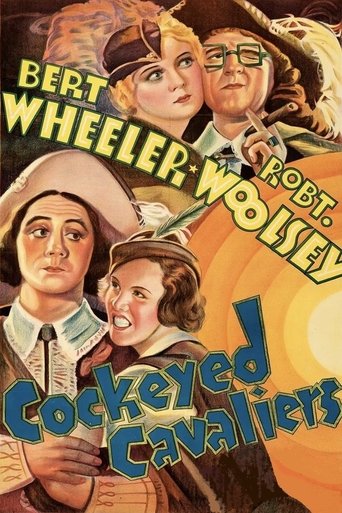
From Wikipedia, the free encyclopedia. Mark Sandrich (birth name: Mark Rex Goldstein) (October 26, 1900 – March 4, 1945) was a Jewish American film director, writer and producer. One of the most gifted and least heralded directors of the 1930s and early 1940s, Sandrich was an engineering student at Columbia University when he started the movie business by accident. When visiting a friend on a film set, he saw that the director had a problem in setting up a shot; Sandrich offered his advice. It worked. He then entered into the movies in the prop department, and became a director specializing in several comedy shorts in 1927. He then made his first feature the next year, but returned to shorts after the sound arrival. In 1933 he directed the Academy Award-winning short, So This Is Harris!. He later returned to feature films, most notably comedies, starring the team of Bert Wheeler and Robert Woolsey in Hips, Hips, Hooray!. In 1934, Sandrich soon got his first directing assignment on the Fred Astaire/Ginger Rogers musical The Gay Divorcee, which proved a success. The following year, he directed what is widely regarded as the best movie ever made by the legendary dance team, Top Hat, which excelled in every department, including music and choreography. It was all pulled together seamlessly by Sandrich. After that, several other movies such as Follow the Fleet, Shall We Dance, and Carefree followed. In 1940, Sandrich left RKO for Paramount, which offered him a chance to be not only a director but as well as a producer. He made other several successful films in this capacity, including two with Jack Benny, Buck Benny Rides Again and Love Thy Neighbor, both released in 1940, and the romantic comedy Skylark, starring Claudette Colbert and Ray Milland. However, while all these were hits, it was Holiday Inn in 1942 starring Fred Astaire and Bing Crosby, with music by Irving Berlin that showed Sandrich at his best. The musical/comedy actually started on the eve of America's entry into World War II. It featured sufficient serious overtones to capture the mood of the time, and showed Crosby and Astaire to brilliant advantage as performers who are rivals for the same woman; and it introduced the song "White Christmas", highlighted by the crooner Crosby which remained the biggest selling popular song in history for fifty-two years. So Proudly We Hail! was a Sandrich-produced and directed adaptation of the hit play. It was extremely popular and successful, and featured a pair of performers – Adrian Booth and George Reeves -- whom Sandrich had intended to bring to stardom after the war. However, it wasn't to be. In 1945, while in pre-production on a follow up to Holiday Inn called Blue Skies, starring Bing Crosby and featuring Irving Berlin's music, and serving as president of the Directors Guild, Sandrich died suddenly, of heart failure. He was at this time one of the most trusted and influential directors in Hollywood, respected by his colleagues and the studio management. His sons Mark Sandrich Jr. and Jay Sandrich have gone onto successful careers as directors. His interment was located at Home of Peace Cemetery. Description above from the Wikipedia article Mark Sandrich, licensed under CC-BY-SA,full list of contributors on Wikipedia.
Known for
Credits
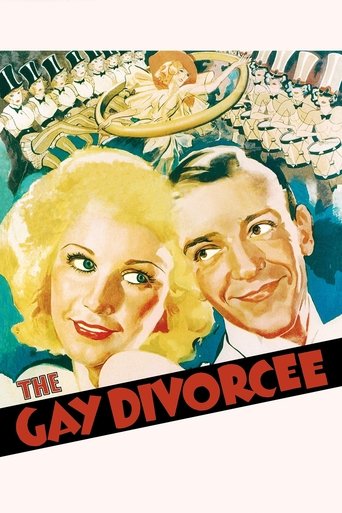
The Gay Divorcee (1934)
Director
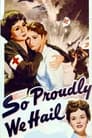
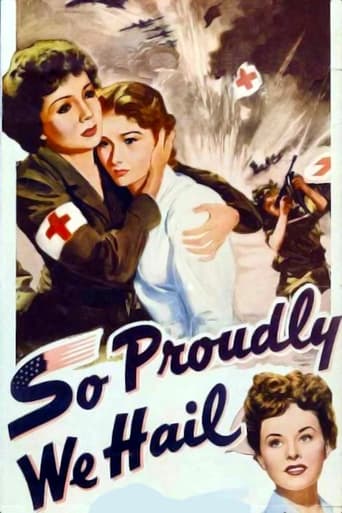
So Proudly We Hail (1943)
Director
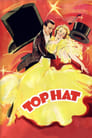
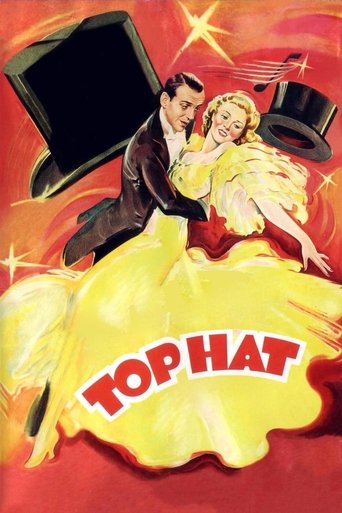
Top Hat (1935)
Director
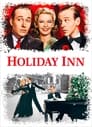
Holiday Inn (1942)
Director

Cockeyed Cavaliers (1934)
Director
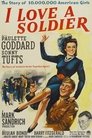
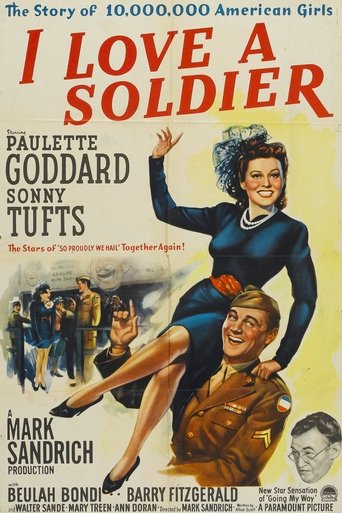
I Love a Soldier (1944)
Director
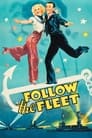
Follow the Fleet (1936)
Director
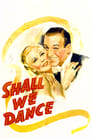
Shall We Dance (1937)
Director
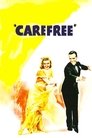
Carefree (1938)
Director
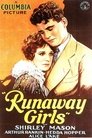
Runaway Girls (1928)
Director
A Slip at the Switch (1932)
Director
Sight Seeing in New York (1931)
Director
Buck Benny Rides Again (1940)
Director

The Talk of Hollywood (1929)
Director
Aggie Appleby, Maker of Men (1933)
Director
A Midsummer Night's Steam (1927)
Director
Here Come the Waves (1944)
Director
Moonlight and Monkey Business (1930)
Director
Scratch-As-Catch-Can (1931)
Director
Hello Sailor (1927)
Director
A Woman Rebels (1936)
Director
The Druggist's Dilemma (1933)
Director

Man About Town (1939)
Director

The Gay Nighties (1933)
Director
Melody Cruise (1933)
Director
Love Thy Neighbor (1940)
Director
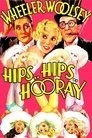
Hips, Hips, Hooray! (1934)
Director
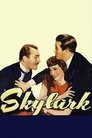
Skylark (1941)
Director
The Iceman's Ball (1932)
Director
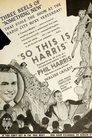
So This Is Harris! (1933)
Director
The Movie Hound (1927)
Director
False Roomers (1931)
Director
General Ginsberg (1930)
Director
Jitters the Butler (1932)
Director
Jerry the Giant (1926)
Director
Monty of the Mounted (1927)
Director
Napoleon, Jr. (1926)
Director
A Lady Lion (1928)
Director

Sword Points (1928)
Director
The Millionaire Cat (1932)
Director
The Way of All Fish (1931)
Director