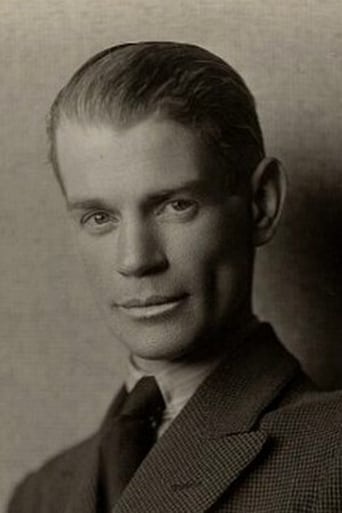
James Whale
Photoplayd Industry Rating
Not enough rated films yet to compute a weighted score.
Roles are weighted by involvement: director 1.0, screenwriter 0.7, lead 0.8, supporting 0.4, crew 0.1.
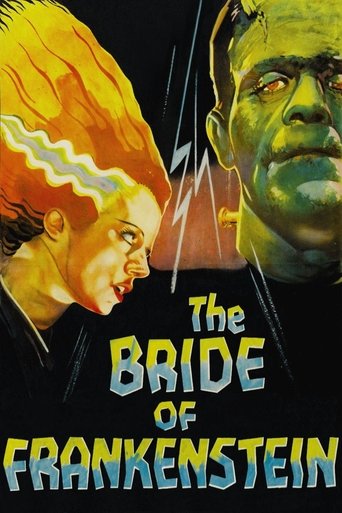
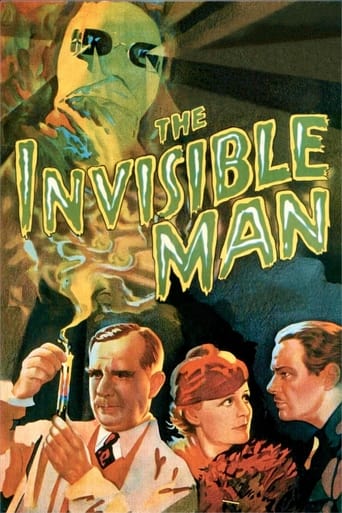
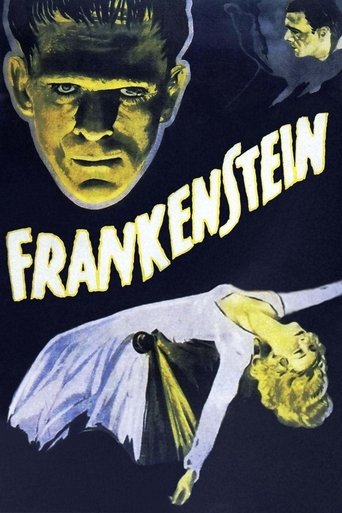
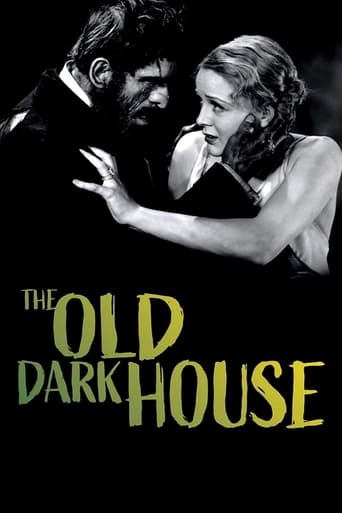
From Wikipedia, the free encyclopedia. James Whale (22 July 1889 – 29 May 1957) was an English film director, theatre director and actor. He is best remembered for his work in the horror film genre, having directed Frankenstein (1931), The Old Dark House (1932), The Invisible Man (1933) and Bride of Frankenstein (1935), all recognized as classics of the genre. Whale directed over a dozen films in other genres, including what is considered the definitive film version of the musical Show Boat (1936). He became increasingly disenchanted with his association with horror, but many of his non-horror films have fallen into obscurity. Born into a large family in Dudley, England, Whale early discovered his artistic talent and studied art. With the outbreak of World War I, Whale enlisted in the British Army and became an officer. He was captured by the Germans and during his time as a prisoner of war he realized he was interested in drama. Following his release at the end of the war he became an actor, set designer and director. His success directing the 1928 play Journey's End led to his move to the United States, first to direct the play on Broadway and then to Hollywood to direct motion pictures. Whale lived in Hollywood for the rest of his life, most of that time with his longtime companion, producer David Lewis. Including Journey's End (1930), Whale directed a dozen films for Universal Studios between 1930 and 1936 (his uncredited work on the war epic Hell's Angels having been done for United Artists), developing a style characterized by the influence of German Expressionism and a highly mobile camera. At the height of his popularity as a director, Whale directed The Road Back, a sequel to All Quiet on the Western Front, in 1937. Studio interference, possibly spurred by political pressure from Nazi Germany, led to the film's being altered from Whale's vision and The Road Back was a critical and commercial failure. A string of commercial failures followed and, while Whale would make one final short film in 1950, by 1941 his film directing career was over. Whale continued to direct for the stage and also rediscovered his love for painting and travel. His investments made him wealthy and he lived a comfortable retirement until suffering strokes in 1956 that robbed him of his vigor and left him in pain. Whale committed suicide on 29 May 1957 by drowning himself in his backyard swimming pool. Whale was openly gay throughout his career, something that was very unusual in the 1920s and 1930s. As knowledge of his sexual orientation has become more common, some of his films, Bride of Frankenstein in particular, have been interpreted as having a gay subtext and it has been claimed that Whale's refusal to remain in the closet led to the end of his career. However, Whale's associates dismiss the notions that Whale's sexuality informed his work or that it cost him his career. Description above from the Wikipedia article James Whale, licensed under CC-BY-SA, full list of contributors on Wikipedia.
Known for


Credits
Bride of Frankenstein (1935)
Director

The Invisible Man (1933)
Director
Frankenstein (1931)
Director
The Old Dark House (1932)
Director
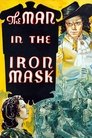
The Man in the Iron Mask (1939)
Director

Green Hell (1940)
Director

Waterloo Bridge (1931)
Director
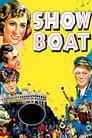
Show Boat (1936)
Director
Classification of Enlisted Men (1942)
Director
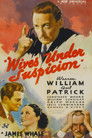
Wives Under Suspicion (1938)
Director

They Dare Not Love (1941)
Director

The Road Back (1937)
Director

The Great Garrick (1937)
Director
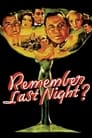
Remember Last Night? (1935)
Director

Journey's End (1930)
Director
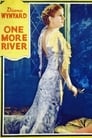
One More River (1934)
Director

By Candlelight (1933)
Director
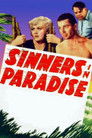
Sinners in Paradise (1938)
Director
Hello Out There (1949)
Director

The Kiss Before the Mirror (1933)
Director
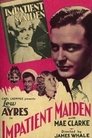
The Impatient Maiden (1932)
Director
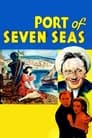
Port of Seven Seas (1938)
Director