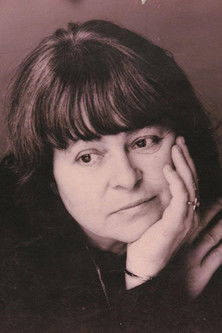
Kira Muratova
Photoplayd Industry Rating
Not enough rated films yet to compute a weighted score.
Roles are weighted by involvement: director 1.0, screenwriter 0.7, lead 0.8, supporting 0.4, crew 0.1.
Kira Georgievna Muratova (Ukrainian: Кіра Георгіївна Мура́това; née Korotkova; 5 November 1934 – 6 June 2018; Soroca – Odesa) was a Soviet and Ukrainian film director, screenwriter and actress of Romanian/Jewish descent, known for her unusual directorial style. Muratova's films underwent a great deal of censorship in the Soviet Union, yet still Muratova managed to emerge as one of the leading figures in contemporary Cinema of Ukraine and Russian cinema and was able to build a very successful film career from 1960s onwards. She is People's Artist of Ukraine(1989); Academician of National Academy of Arts of Ukraine (1997). Laureate of the Shevchenko National Prize (1993) (in List of laureates at 1993 - № 12); Oleksandr Dovzhenko State Prize (2002). Muratova spent much of her artistic career in Odesa, creating most of her films at Odesa Film Studios. Her work has been described as possibly 'one of the most distinctive and singular oeuvres of cinematic world-making.'
Known for

Credits
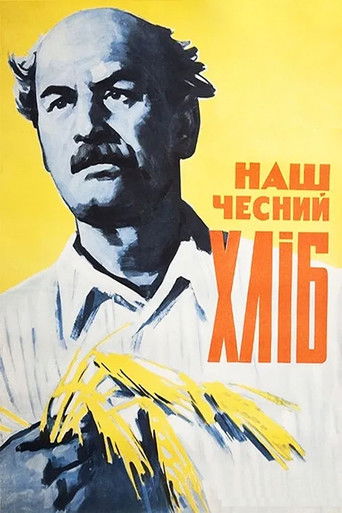
Our Honest Bread (1964)
Director
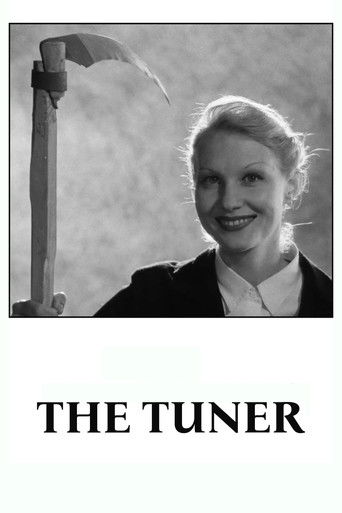
The Tuner (2005)
Director
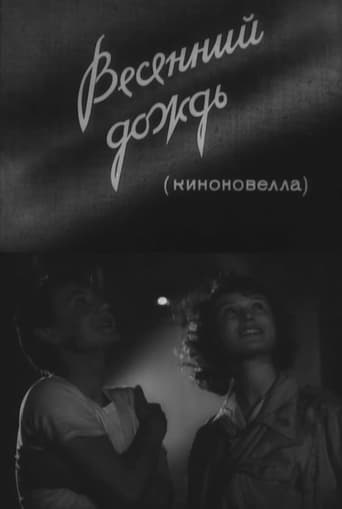
Spring Rain (1958)
Director
Passions (1994)
Director
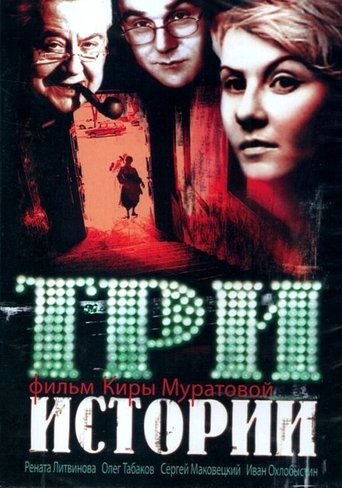
Three Stories (1997)
Director
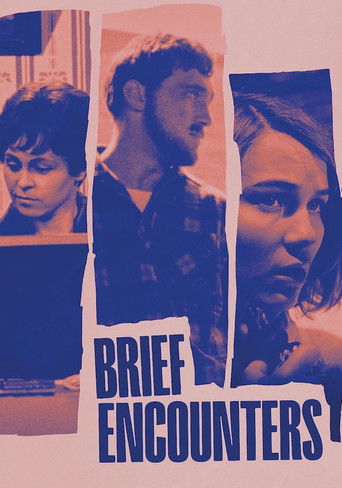
Brief Encounters (1967)
Director
The Long Farewell (1971)
Director
Chekhovian Motifs (2002)
Director
Second Class Citizens (2001)
Director
By the Ravine (1962)
Director
Getting to Know the Big Wide World (1978)
Director
The Sentimental Policeman (1992)
Director
Change of Fate (1987)
Director
Two in One (2007)
Director
Eternal Homecoming (2013)
Director
Letter to America (1999)
Director
The Asthenic Syndrome (1989)
Director
Among Grey Stones (1983)
Director
Melody for a Street Organ (2009)
Director
The Certificate (2005)
Director
Dummy (2007)
Director