
Jeong Chang-hwa
Photoplayd Industry Rating
Not enough rated films yet to compute a weighted score.
Roles are weighted by involvement: director 1.0, screenwriter 0.7, lead 0.8, supporting 0.4, crew 0.1.
Chang-Wha Chung (born November 1, 1928) is a South Korean film director, producer and screenwriter. Chung made his directorial debut with The Final Temptation (1953) and gained attention only when he released A Sunny Field in 1960. During the 1960s he started collaborating with the Hong Kong film industry. In 1968, he joined Shaw Brothers and directed martial arts classics such as King Boxer (1972) (the first Hong Kong movie to reach No. 1 on the U.S. box office in 1973). He moved to Golden Harvest in 1973, where he directed numerous productions until he returned to South Korea in 1977 to continue his career. Wikipedia contributors. "Jeong Chang-hwa." Wikipedia, The Free Encyclopedia. Wikipedia, The Free Encyclopedia, 13 Mar. 2021. Web. 26 May. 2021.
Known for

Credits
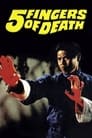
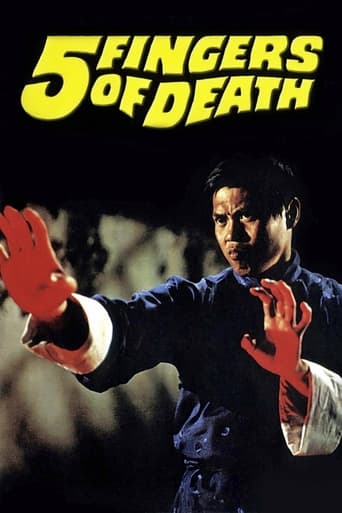
Five Fingers of Death (1972)
Director
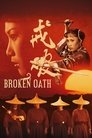
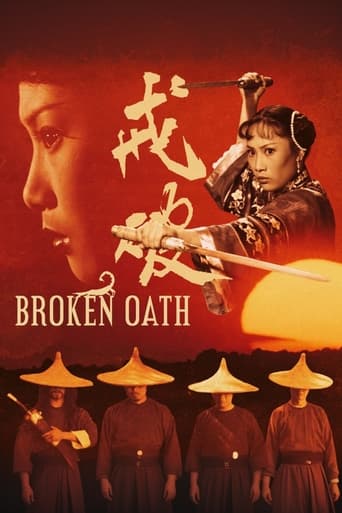
Broken Oath (1977)
Director
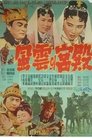
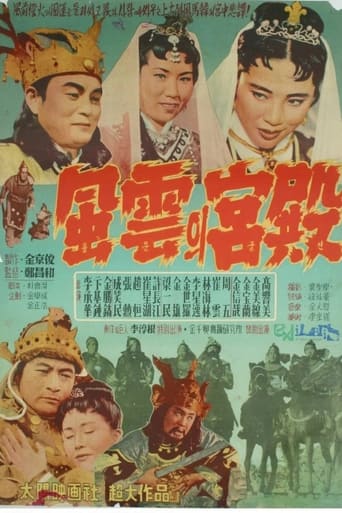
Palace of Ambition (1957)
Director
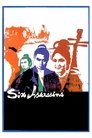
Six Assassins (1971)
Director

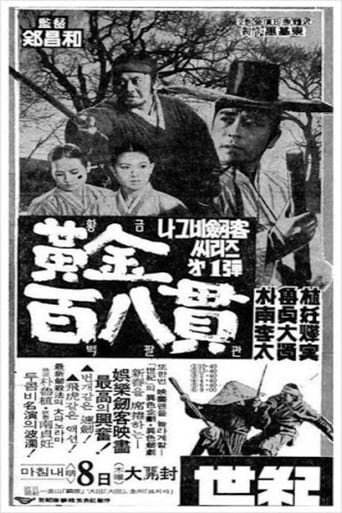
A Wandering Swordsman and 108 Bars of Gold (1968)
Director
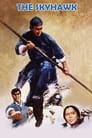
The Skyhawk (1974)
Director
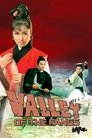
Valley of the Fangs (1970)
Director
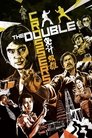
The Double Crossers (1976)
Director
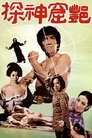
The Association (1974)
Director
The Great Story of Jang-hwa and Hong-ryeon (1962)
Director
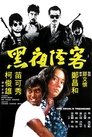
The Devil's Treasure (1973)
Director

Temptress of a Thousand Faces (1969)
Director
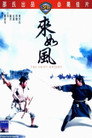
The Swift Knight (1971)
Director

Heads for Sale (1970)
Director
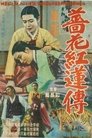
The Story of Jang-hwa and Heung-ryeon (1956)
Director
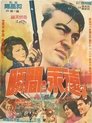
Special Agent X-7 (1966)
Director

Bonanza (1961)
Director
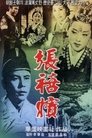
Lady Jang (1961)
Director
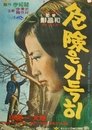
A Full Danger (1967)
Director
Yeraishang (1966)
Director
Horizon (1961)
Director
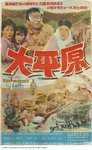
The Great Plain (1963)
Director
Deep in My Heart (1967)
Director
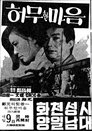
Empty Heart (1969)
Director
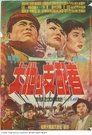
Rulers of the Land (1963)
Director

A Swordsman in the Twilight (1967)
Director
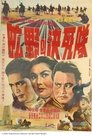
Forlorn Hope (1966)
Director
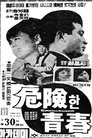
Dangerous Youth (1966)
Director