George Hurrell Sr.
Photoplayd Industry Rating
Not enough rated films yet to compute a weighted score.
Roles are weighted by involvement: director 1.0, screenwriter 0.7, lead 0.8, supporting 0.4, crew 0.1.
Classically trained as a painter, Hurrell employed fine art techniques in his compositions. Beginning in 1930, Hurrell worked as a portrait photographer for most of the major Hollywood motion picture studios, first with Metro-Goldwyn-Mayer. While most of the country suffered during the Great Depression in the 1930s, the movie industry thrived. During this time especially, Hurrell's photographs did more than just promote a film or a celebrity; for many, the glamour, romance, and drama of these photos provided a momentary mental escape from difficult times. Hurrell is credited with creating the standard for the idealized Hollywood glamour portrait. Always an innovator, he invented the boom light and developed several-now standard-lighting techniques. Hurrell's signature use of precision lighting, spotlights, shadows, and hand-retouching on the negatives produced romantic portraits that became his trademark style and the definition of glamour for the movie industry. The very notion is so familiar, and the images that most perfectly illustrate the concept are so readily conjured, that most movie fans are unaware that one man - a single photographer - is largely responsible for the look and feel of the classic film-glamour ideal.
Known for

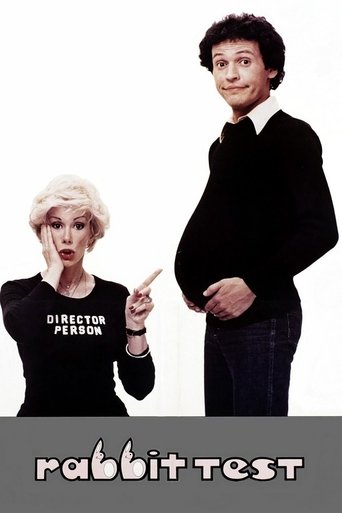
Credits
The Mephisto Waltz (1971)
Still Photographer
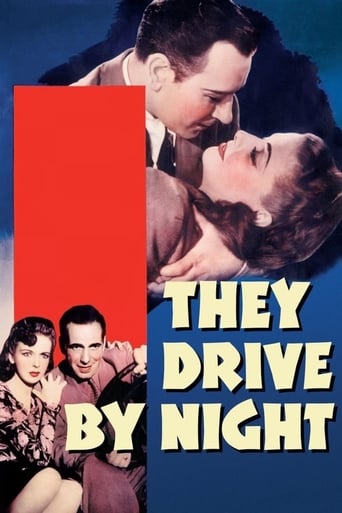
They Drive by Night (1940)
Still Photographer
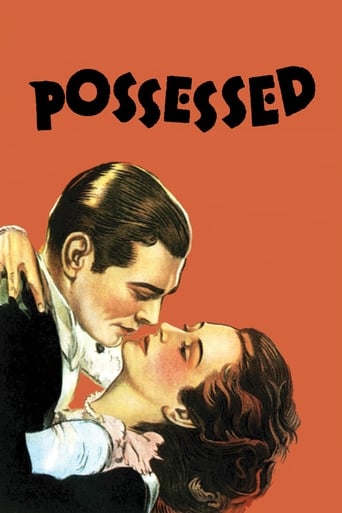
Possessed (1931)
Still Photographer
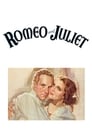
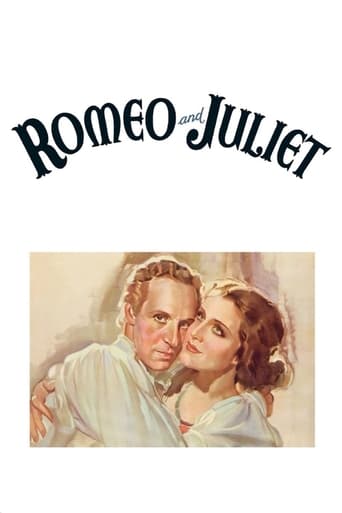
Romeo and Juliet (1936)
Still Photographer
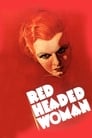
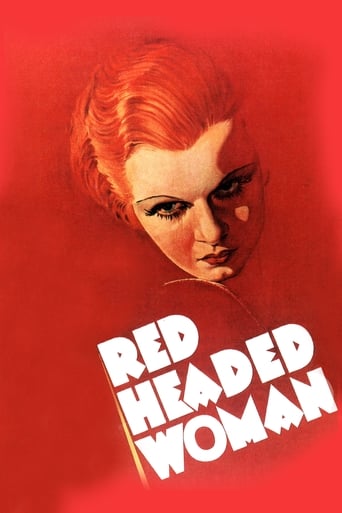
Red-Headed Woman (1932)
Still Photographer

Rabbit Test (1978)
Still Photographer
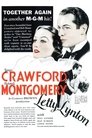
Letty Lynton (1932)
Still Photographer

Free and Easy (1930)
Still Photographer
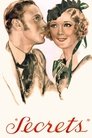
Secrets (1933)
Still Photographer
The Unholy Three (1930)
Still Photographer
Escapade (1935)
Still Photographer