
Clemente de la Cerda
Photoplayd Industry Rating
Not enough rated films yet to compute a weighted score.
Roles are weighted by involvement: director 1.0, screenwriter 0.7, lead 0.8, supporting 0.4, crew 0.1.
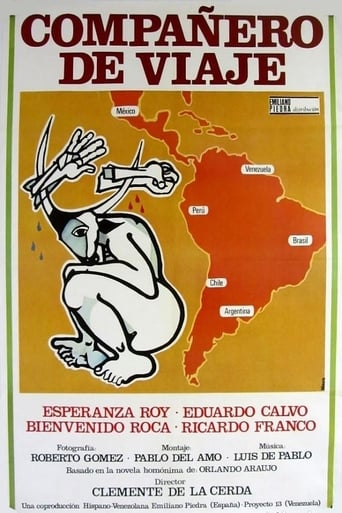
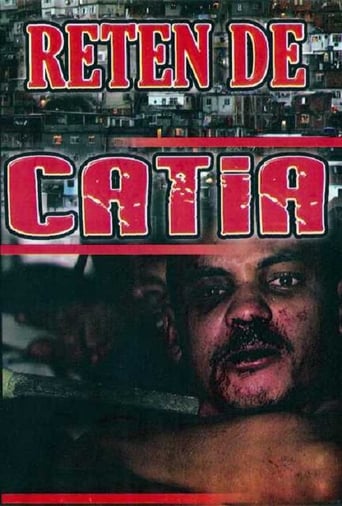
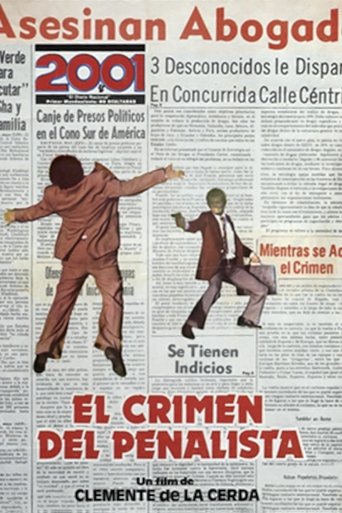
An outstanding Venezuelan film director, de la Cerda's films were characterized for their denunciation of social conditions of the underprivileged in Venezuelan society. As a child, his family moved to Caracas, where he soon enrolled in the School of Plastic Arts. Between 1962 and 1963 he frequented the Venezuelan Institute of Movie Studies, directed at the time by the actor Luis Salazar. Later, he studied theater with Humberto Orsini in the Central University of Venezuela for 8 months. At the same time, he began to work at Televisa (later Channel 4) as a camera assistant, advancing in responsibilities until getting to direct musical programs and soap operas, among those shows "La telenovela criolla" ("The Creole Soap Opera"), which starred Maria Escalona and Américo Montero. As a result of the arrival of videotape recording, he decided to leave television for film, working in news and commercials, first as a cameraman and soon as a director. In 1964 he began his career as a film director, producing a series of narrative films that, over the course of 10 to 20 years, made him the most active film director of that time in Venezuela. Among his more important films are: Isla de Sal [Island of Salt] and El Rostro [The Hidden Face] (1964), Sin fin [Endless] (1971), Cahuramanacas (short film, 1971), Soy un delincuente [I Am a Delinquent] (1976), Reincidente {a sequel to I Am a Delinquent} and Companer de viaje [Fellow Traveller] (1977), El crimen del penalista [The Crime of the Criminal Attorney] (1979), Los criminales [The Criminals] (1982), Reten de Catia and Agua que no haz de beber [Water Not to Drink] (1984). His film "I Am a Delinquent" was not only a box office success, but marked the beginning of a new wave in Venezuelan cinema. In effect, its point of view, denouncing the material and psychological conditions of Venezuelan society, cemented his work as a prominent part of the national cinema
Known for



Credits
The Criminals (1982)
Director
La Virgen de Chiquinquirá (1983)
Director
Compañero de viaje (1979)
Director
Sin fin (1971)
Director
Retén de Catia (1984)
Director
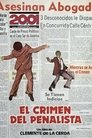
El crimen del penalista (1979)
Director
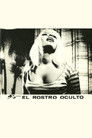
El rostro oculto (1965)
Director
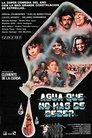
Agua que no has de beber (1984)
Director
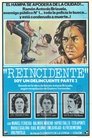
Second Offender (1977)
Director
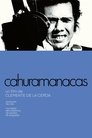
Cahuramanacas (1973)
Director
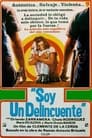
I'm a Delinquent (1976)
Director
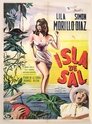
Isla de sal (1964)
Director