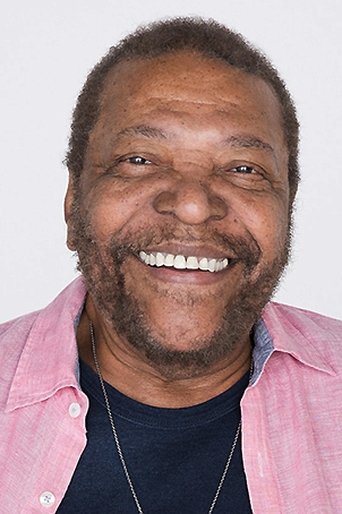
Martinho da Vila
Photoplayd Industry Rating
Not enough rated films yet to compute a weighted score.
Roles are weighted by involvement: director 1.0, screenwriter 0.7, lead 0.8, supporting 0.4, crew 0.1.
Martinho da Vila (born February 12, 1938) is a Brazilian singer and composer who is considered to be one of the main representatives of samba and MPB. He is a prolific songwriter, with hundreds of recorded songs across over 40 solo albums. He also has many songs that were recorded by singers from different musical genres. Internationally celebrated artists such as Nana Mouskouri (Greece), Ornella Vanoni (Italy), Katia Guerreiro (Portugal), Rosario Flores (Spain) have put their voices to Martinho’s songs and lyrics. As a singer, he is considered by critics as one of the top exponents of samba to have ever lived. Among his many national collaborations, a few notable names are Zeca Pagodinho, Arlindo Cruz, Chico Buarque, Beth Carvalho, Noel Rosa, Alcione, among others. Furthermore, Martinho composed some of the most important samba enredos (samba school themed songs) and has forged a solid partnership with the Vila Isabel samba school. In spite of being a self-taught singer / songwriter with no academic background, Martinho has a great connection with classical music. He participated in the symphonic project "Samba Classics" under the baton of the late Maestro Silvio Barbato, which went on to be performed by several classical orchestras such as the Belo Horizonte, Brasilia, and Espirito Santo Orchestras, as well as the Orquestra Petrobras and the Orfeônica of Denmark. He also devised, in partnership with Maestro Bruno Leonardo, the Black Concert, a Symphonic performance that focuses on the participation of black musicians in classical music. In addition to being a celebrated singer and songwriter, Martinho is also a writer and author of 13 books: Notable works include Os Lusófonos, republished in Portugal, as well as Joanna and Joanes - A Fluminense Romance, and Ópera Negra, which was later translated into French. At the Book Fair in Paris in 2015, Martinho released his novel Os Lusófonos. As a journalist, Martinho writes articles for O Globo, Folha de São Paulo and O Estadão newspapers, several magazines, and, for two years, he was a weekly columnist of the newspaper O Dia. He is also politically active and a prominent figure and spokesperson for Afro-Brazilian issues as well as for the Communist Party of Brazil. He is the author of six books, and has been a recording artist since 1969. Apart from his own interpretations, Simone stands out as one of his greatest interpreters, with a whole album dedicated to him, entitled Café com leite. ... Source: Article "Martinho da Vila" from Wikipedia in English, licensed under CC-BY-SA 3.0.
Known for


Credits

O Samba (2015)
as Self
Fala Mangueira! (1983)
as Self
Pais Quadrados, Filhos Avançados (1970)
Actor
Língua - Vidas em Português (2003)
as Self
Partideiros (1978)
Actor
Beth Carvalho - A Madrinha do Samba (2020)
as Ele próprio (Martinho da Vila)
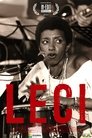
Leci (2025)
as Self
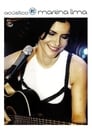
Acústico MTV: Marina Lima (2003)
as Self
Noitada de Samba (1977)
Actor
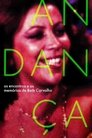
Andança: Os Encontros e as Memórias de Beth Carvalho (2022)
as Self (archive footage)
Martinho da Vila – Sambabook (2013)
Actor
Le Maître du temps (1971)
Actor
Jorge Aragão - Ao Vivo Convida (2002)
as CANTOR CONVIDADO
Um Homem de Moral (2009)
as Self
A Força do Gigante (2022)
as Self
Alcione - Duas Faces (2011)
as Self - Guest
Caterina Valente presents Brazilian music (1979)
as Self
Pitanga (2016)
as Self
Palavra (En)Cantada (2009)
as Self
Saudade do Futuro (2021)
as Self
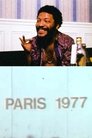
Martinho da Vila, Paris 1977 (1977)
as Self
Black Fragments of Samba - Cariocas, The City Musicians (1987)
as Self
Zeca Apresenta: O Quintal do Pagodinho – Ao vivo (2012)
Actor
Martinho da Vila – Conexões ao Vivo (2004)
Actor
Martinho Da Vila – Brasilatinidade Ao Vivo (2005)
Actor
Martinho Da Vila – Brasilatinidade Ao Vivo (2005)
Actor
Casa de Samba (2003)
as Self
Martinho da Vila - Ao Vivo (2016)
Actor
Mart'nália - Em Samba! Ao Vivo (2014)
as Intérprete participação especial
Candeia (2018)
as Self
Cidade do Samba (2007)
as Self