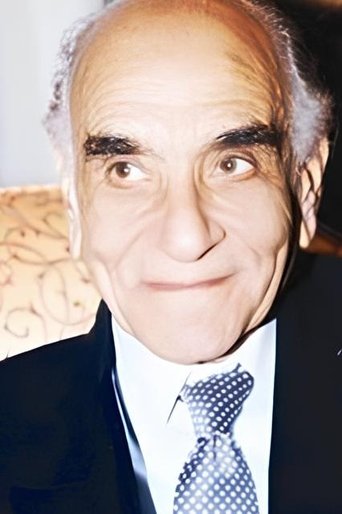
Kamal El Sheikh
Photoplayd Industry Rating
Not enough rated films yet to compute a weighted score.
Roles are weighted by involvement: director 1.0, screenwriter 0.7, lead 0.8, supporting 0.4, crew 0.1.
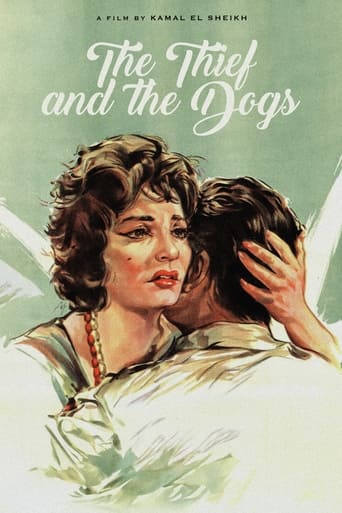
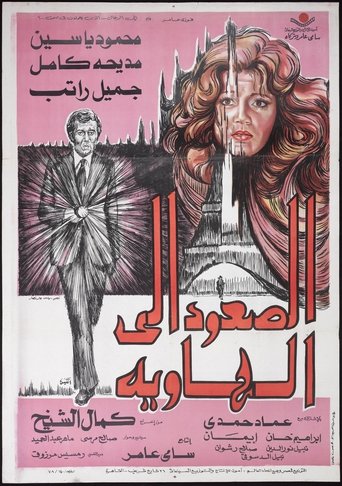
Egyptian director, editor and producer, born on February 5, 1919 in the village of (Amrous), Menoufia Governorate. He got his baccalaureate (high school) certificate in 1937, and he joined the College of Law (Law), but he was a general who left it and started in this period his passion for cinema and decided to become an actor so he sent his photo to the famous director (Muhammad Karim) who did not find his face fit to be an actor, so the Sheikh took advantage of his relationship At the time, the Minister of War (Haider Pasha) to mediate with him in order to enter the cinematic milieu, and he introduced him to the poet (Khalil Mutran), who in turn knew him on the director (Ahmed Salem), who was then director of (Studio Egypt), so he joined him as a montier under the direction of the director (Niazi Mustafa). During that period, Kamal Al-Sheikh participated as a monteire in several important films such as: (Laila Bint Al-Fakra) 1945, (My Heart Delilah) 1947, (Ghazal Al-Banat) 1949, (Avocato Madiha) 1950, and (The emergence of Islam) 1951. 1952 witnessed Kamal Al-Sheikh directing his first movie entitled (Home No. 13) starring: (Imad Hamdi, Faten Hamama), which achieved great success when presenting his reliance on a plot characterized by suspense, excitement and a police atmosphere. He also presented the movie (Life or Death) 1954 starring (Emad Hamdi, Madiha Yousry), which was chosen among the list of the best hundred films in Egyptian cinema. Kamal Al-Sheikh is considered one of the first directors who presented literature (Naguib Mahfouz) to the cinema, with his movie (The Thief and the Dogs) in 1962, and he also presented the novel (Miramar) in a movie of the same name in 1969. He also presented literary works in cinematic films to other writers such as: (Ihsan Abdul Quddus, Fathi Ghanem, Saleh Morsi, ... and others). He was rated as a director of thriller and suspense films, such as (Last Night) 1963, (Peacock) 1982, and others. But he also excelled in presenting the political movie, such as: (sunset and sunrise) 1970 (something in my chest) 1971, (On Whom We Shoot) 1975, and (Ascending to the Abyss) 1978, which was considered the best spy film presented in the Egyptian cinema. Kamal Al Sheikh married Montira (Amira Salem), whose brother (Saeed Al Sheikh) shared the editing of most of his films. He also was known in the fifties and early sixties as "Hitchcock Egypt" because of his influence with the well-known British director cinema Alfred Hitchcock and his interest in police films that rely on the plot. Kamal Al-Sheikh died on January 2, 2004 at the age of 85.
Known for
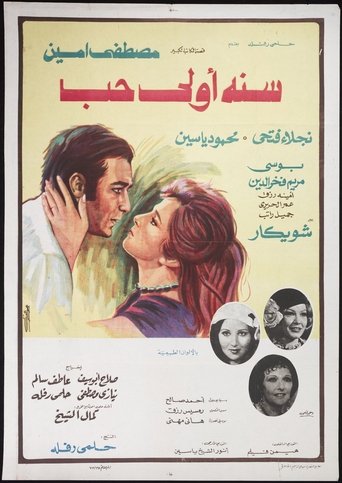
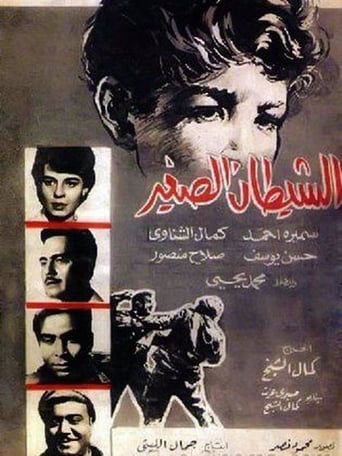
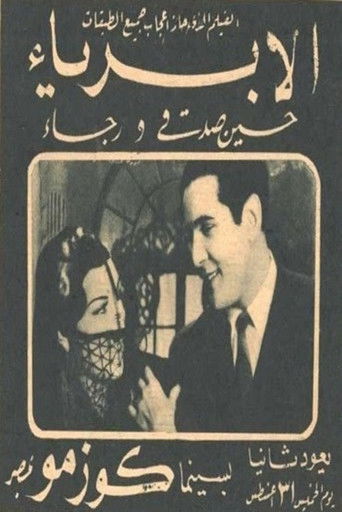
Credits
The Little Devil (1965)
Director
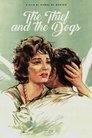
The Thief and the Dogs (1962)
Director
Rise to the Abyss (1978)
Director
For the Sake of a Woman (1959)
Director
House No. 13 (1952)
Director

Sayedat el kasr (1958)
Director
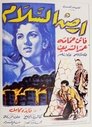
Land of Peace (1957)
Director
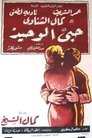
My Only Love (1960)
Director
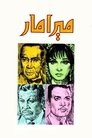
Miramar (1969)
Director
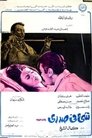
Something in My Chest (1971)
Director
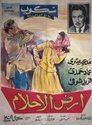
Land of Dreams (1956)
Director
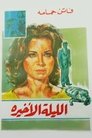
The Last Night (1963)
Director
A Plot (1953)
Director

Traders of Death (1957)
Director
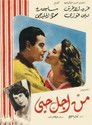
For My Love (1959)
Director
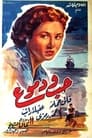
Love and Tears (1955)
Director
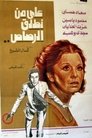
Whom Should We Shoot? (1975)
Director
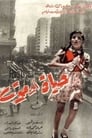
Life or Death (1954)
Director
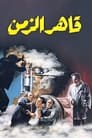
Time Conqueror (1987)
Director
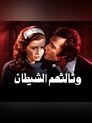
The Devil Makes Three (1978)
Director
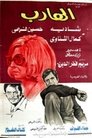
The Fugitive (1974)
Director
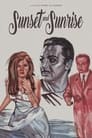
Sunset and Sunrise (1970)
Director
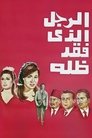
The Man Who Lost His Shadow (1968)
Director

The Well of Deprivation (1969)
Director
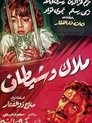
Angel and Devil (1960)
Director
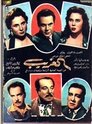
The Stranger (1956)
Director
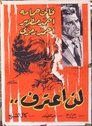
I Won't Confess (1961)
Director
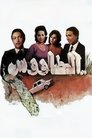
The Peacock (1982)
Director
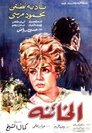
Unfaithful (1965)
Director
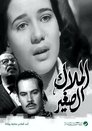
The Little Angel (1957)
Director
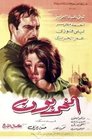
The Vandals (1967)
Director
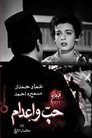
Love and the Death Penalty (1956)
Director

Qalb Yahtarek (1959)
Director