
Branko Bauer
Photoplayd Industry Rating
Not enough rated films yet to compute a weighted score.
Roles are weighted by involvement: director 1.0, screenwriter 0.7, lead 0.8, supporting 0.4, crew 0.1.
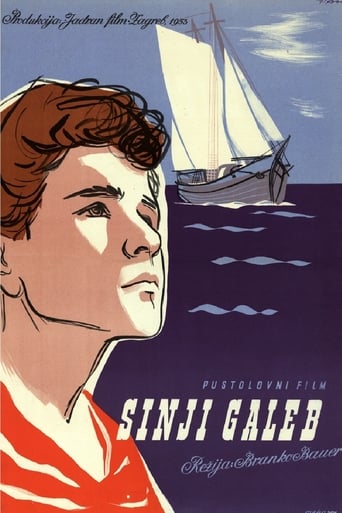
Branko Bauer (18 February 1921 – 11 April 2002) was a Croatian film director. He is considered to be the leading figure of classical narrative cinema in Croatian and Yugoslav cinema of the 1950s. Bauer became interested in cinema as a school boy. During World War Two he attended local cinemas in Zagreb, which were very popular during the Nazi occupation. His father Čedomir Bauer and he hid their Jewish tenant Ljerka Freiberger from the Croatian Ustashi police in 1942. As a result of these actions, Yad Vashem honored both of them as Righteous among the Nations in 1992. In 1949, Branko began working in the Zagreb-based Jadran Film studio as a documentary filmmaker. His feature debut was the 1953 children's adventure film The Blue Seagull (Sinji galeb) which distinguished his work from then-native Yugoslav productions through vivid visual style and natural acting.
Known for
Credits
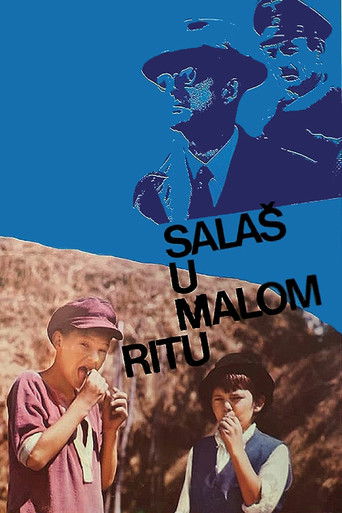
The Farm in the Small Marsh (1976)
Director
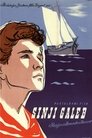
The Grey Seagull (1953)
Director
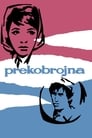
Superfluous (1962)
Director
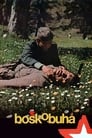
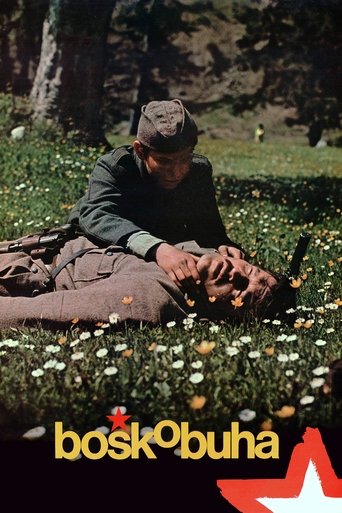
Boshko Buha (1978)
Director
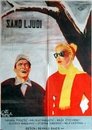
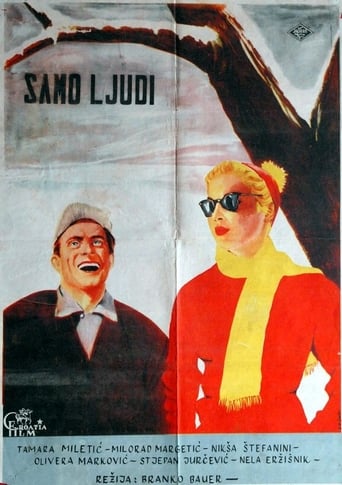
Only People (1957)
Director
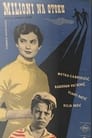
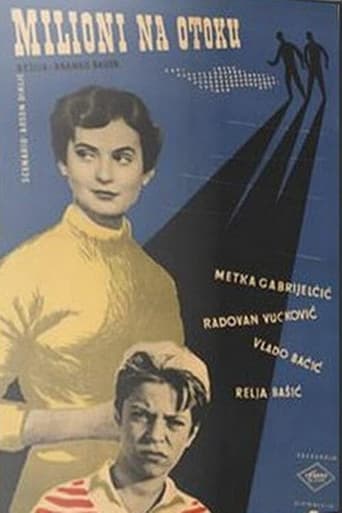
Millions on the Island (1955)
Director
The Fourth Companion (1967)
Director
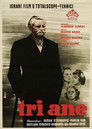
Three Girls Named Ana (1959)
Director

Martin in the Clouds (1961)
Director
To Come and Stay (1965)
Director
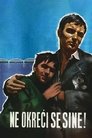
Don't Look Back, My Son (1956)
Director
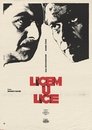
Face to Face (1963)
Director
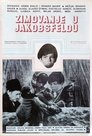
Wintering in Jakobsfeld (1975)
Director
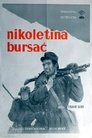
Nikoletina Bursac (1964)
Director
The Dream of the Little Ballerina (1954)
Director
First Revue of Domestic Yugoslav cinema in Yugoslavia (1954)
Director