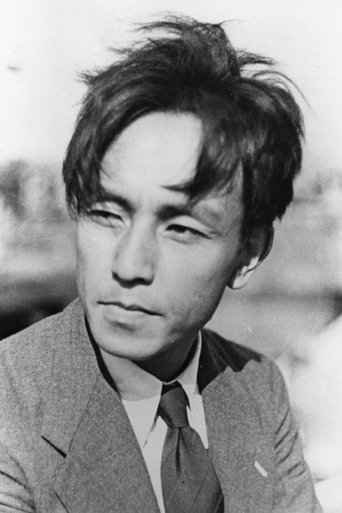
Fumio Kamei
Photoplayd Industry Rating
Not enough rated films yet to compute a weighted score.
Roles are weighted by involvement: director 1.0, screenwriter 0.7, lead 0.8, supporting 0.4, crew 0.1.
Fumio Kamei (1908–1987) was a Japanese documentary and fiction film director known for his politically charged works. Influenced by Soviet montage theory, he began his career at Photo Chemical Laboratories (PCL), making propaganda films about Japan’s war in China. His 1939 film Fighting Soldiers was banned for its unflinching portrayal of exhausted troops, and he later became the first director to lose his license under the 1939 Film Law and the only filmmaker arrested under the Peace Preservation Law. After World War II, Kamei helped reorganize Nippon Eiga-sha and directed The Japanese Tragedy (1946), a documentary critical of Japan’s imperialist past, which was ultimately censored. He continued making politically engaged documentaries and fiction films, tackling issues such as U.S. military bases in Japan, nuclear weapons, social discrimination, and environmental destruction.
Known for

Credits

Record of Bloodshed: Sunagawa (1957)
Director
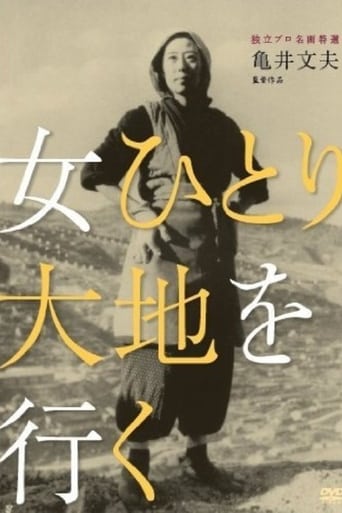
A Lonely Woman in a Lonely Land (1953)
Director
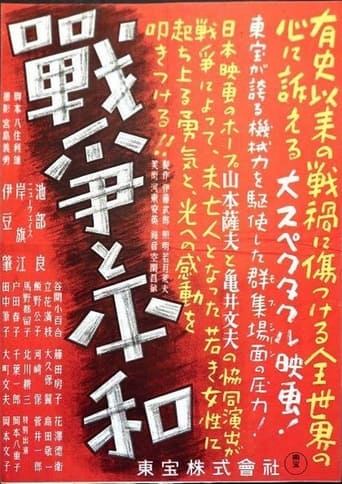
War and Peace (1947)
Director
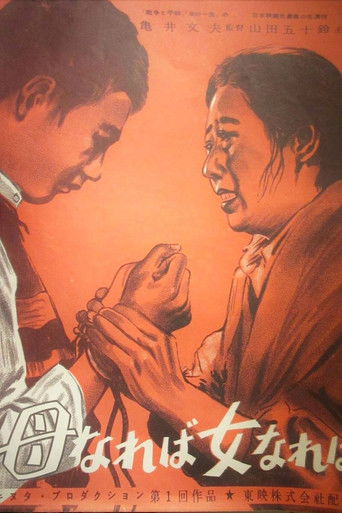
Become a Mother, Become a Woman (1952)
Director
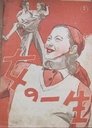
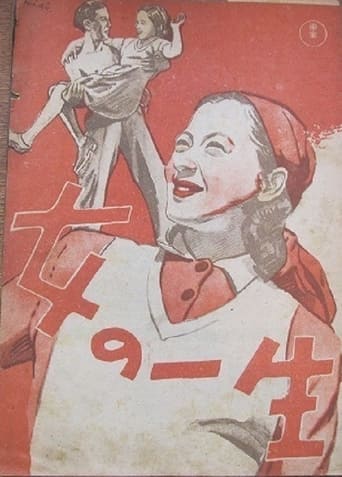
A Woman's Life (1949)
Director
The China Incident (—)
Director
Chobei the Rogue (1949)
Director
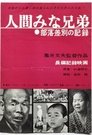
Men Are All Brothers (1960)
Director
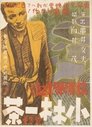
Kobayashi Issa (1941)
Director
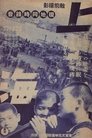
Shanghai (1938)
Director
All Must Live: People, Insects and Birds (1984)
Director
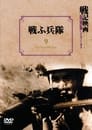
Fighting Soldiers (1939)
Director
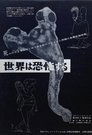
The World Is Terrified: The Reality of the “Ash of Death” (1957)
Director
The People of Sunagawa (1955)
Director
Children of the Base (1953)
Director
All Living Things Are Friends—Lullabies of Birds, Insects and Fish (1987)
Director
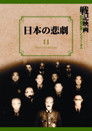
Tragedy of Japan (1946)
Director
Wheat Will Never Fall (1955)
Director
Living in a Rough Sea (1958)
Director
Shape without Shape (1935)
Director
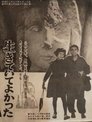
It Is Good to Live (1956)
Director
Peking (1938)
Director