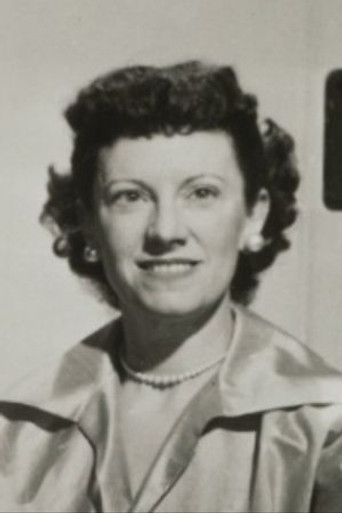
Mary Ellen Bute
Photoplayd Industry Rating
Not enough rated films yet to compute a weighted score.
Roles are weighted by involvement: director 1.0, screenwriter 0.7, lead 0.8, supporting 0.4, crew 0.1.
A pioneer of visual music and electronic art, Mary Ellen Bute directed along with her husband Ted Nemeth over a dozen short abstract animations between the 1930s to the 1950s. Set to classical music by the likes of Bach, Saint-Saens or Shostakovich, and filled with colorful forms, elegant design and sprightly, dance-like-rhythms, Bute's filmmaking is at once formally rigorous and energetically high-spirited, like a marriage of high modernism and Merrie Melodies. In the late 1940s, Lewis Jacobs observed that Bute's films were "composed upon mathematical formulae depicting in ever-changing lights and shadows, growing lines and forms, deepening colors and tones, the tumbling, racing impressions evoked by the musical accompaniment." Bute herself wrote that she sought to "bring to the eyes a combination of visual forms unfolding along with the thematic development and rhythmic cadences of music." (Ed Halter) Known for her pioneering early abstract films (some of which were screened regularly at Radio City Music Hall, New York in the 1930s), Bute made a series of Visual Music films which she called "Seeing Sound."
Known for
Credits
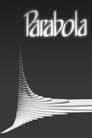
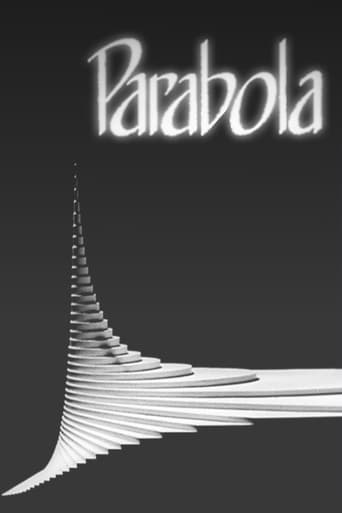
Parabola (1937)
Director
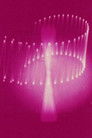
Mood Contrasts (1958)
Director
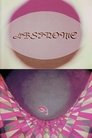
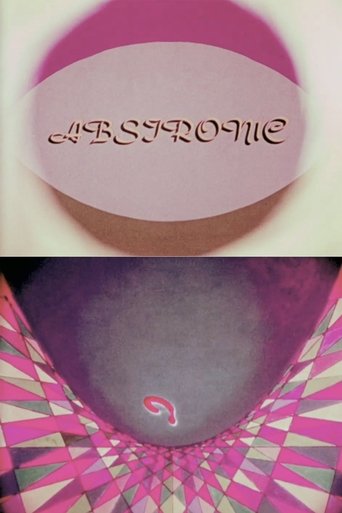
Abstronic (1952)
Director
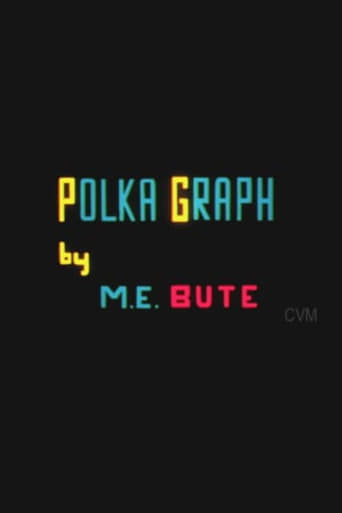
Polka Graph (1947)
Director
Dada (1936)
Director
Pastorale (1950)
Director
Tarantella (1940)
Director
Spook Sport (1940)
Director
Color Rhapsodie (1948)
Director
Passages from James Joyce's Finnegans Wake (1967)
Director
New Sensations in Sound by RCA Victor (1956)
Director
Rhythm in Light (1934)
Director
Escape (Synchronomy No. 4) (1937)
Director
Synchromy No. 2 (1935)
Director
Synchromy No. 1 (1934)
Director