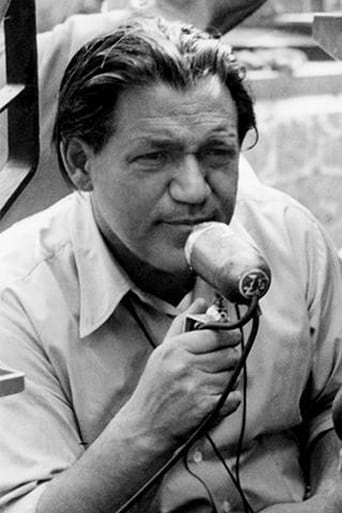
Slatan Dudow
Photoplayd Industry Rating
Not enough rated films yet to compute a weighted score.
Roles are weighted by involvement: director 1.0, screenwriter 0.7, lead 0.8, supporting 0.4, crew 0.1.
Slatan Dudow was a Bulgarian born film director, who worked in Weimar Germany and later East Germany. Influenced by revolutionary ideas, Dudow moved to Berlin in 1922. He gave up his plan to study architecture and studied theater from 1925 to 1926. He worked with Leopold Jessner and Juergen Fehling and was a chorus member under Erwin Piscator. But it was a trip to Moscow, where he met Majakowski and Eisenstein, that proved to be the most influential for his career. After his return from Moscow, Dudow directed Brecht's theater piece Die Massnahme, while beginning his film career. He was commissioned to produce the film Wie der Berliner Arbeiter wohnt (1929) as part of the documentary series Wie lebt der Berliner Arbeiter? To Whom Does the World Belong? (1932) was originally banned because it was perceived as an insult to the Weimar Republic's president, judiciary, and religion. Dudow was arrested several times by the Nazis after 1933; he was imprisoned in 1939, but soon escaped to France and then Switzerland. In 1946, he returned to Berlin and worked as a director at the DEFA studios.
Known for

Credits
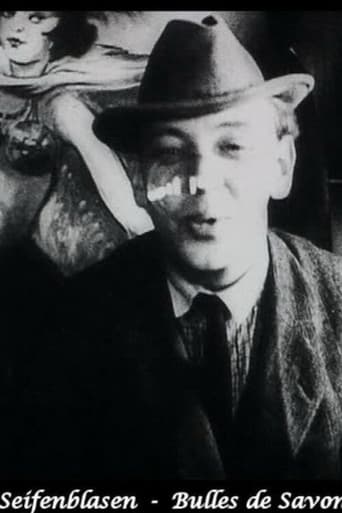
Soap Bubbles (1935)
Director
Christine (1963)
Director
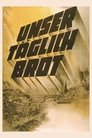
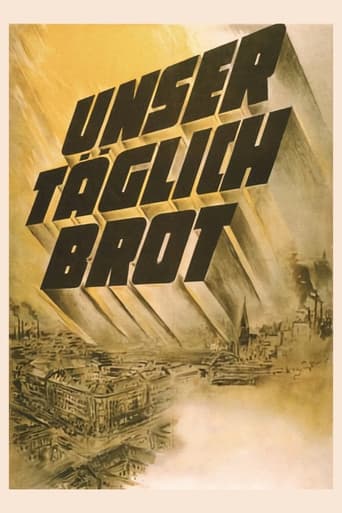
Our Daily Bread (1949)
Director

Kuhle Wampe or Who Owns the World? (1932)
Director
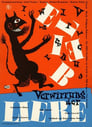
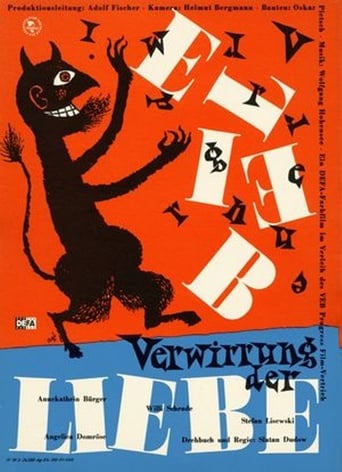
Love's Confusion (1959)
Director
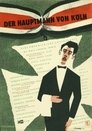
The Captain from Cologne (1956)
Director
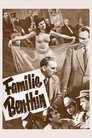
The Benthin Family (1950)
Director
Destinies of Women (1952)
Director
How the Berlin Worker Lives (1930)
Director
Stronger Than the Night (1954)
Director