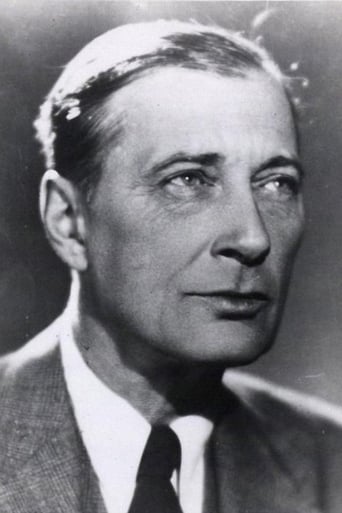
Jacques Feyder
Photoplayd Industry Rating
Not enough rated films yet to compute a weighted score.
Roles are weighted by involvement: director 1.0, screenwriter 0.7, lead 0.8, supporting 0.4, crew 0.1.
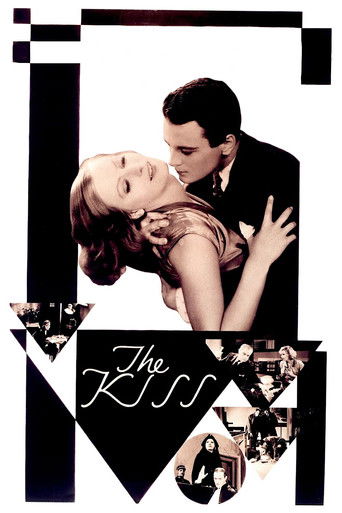
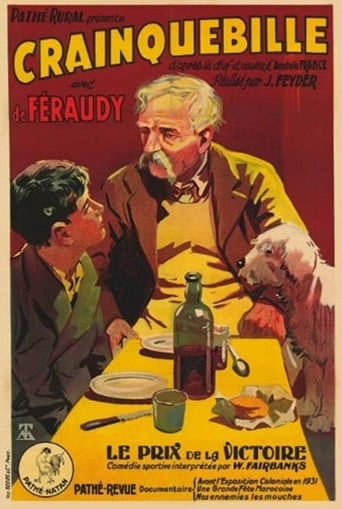
Jacques Feyder , was a Belgian actor, screenwriter and film director who worked principally in France, but also in the USA, Britain and Germany. He was a leading director of silent films during the 1920s, and in the 1930s he became associated with the style of poetic realism in French cinema. He adopted French nationality in 1928. Born Jacques Léon Louis Frédérix in Ixelles, Belgium, at age twenty-five however he moved to Paris where he pursued an interest in acting, first on stage and then in film, adopting the name Jacques Feyder. He joined the Gaumont Film Company and in 1914 he became an assistant director with Gaston Ravel. He started directing films for Gaumont in 1916, but his career was interrupted by service with the Belgian army during 1917-1919. After the end of the war, he returned to filmmaking and quickly built a reputation as one of the most innovative directors in French cinema. L'Atlantide (1921) (based on the novel by Pierre Benoit), and Crainquebille (1922) (from the novel by Anatole France) were his first major films to achieve public and critical attention. He also contributed screenplays of films for other directors. His last silent film in France was Les Nouveaux Messieurs, a topical political satire which provoked calls for it to be banned in France for "insulting the dignity of parliament and its ministers". By this time Feyder had accepted an offer from MGM to work in Hollywood, where in 1929 his first project was directing Greta Garbo in The Kiss, her last silent film. It was in Hollywood that he made the transition to sound films; even before he had worked with sound films, Feyder declared himself to be a firm believer in their future, in contrast with some of his French contemporaries. Disillusioned with the Hollywood system, Feyder returned to France in 1933. During the next three years he made three of his most successful films, all of them in collaboration with screenwriter Charles Spaak and featuring Françoise Rosay in a leading role. Le Grand Jeu (1934) and Pension Mimosas (1935) were both significant creations in the style of poetic realism; La Kermesse héroïque (1935) (also known as Carnival in Flanders) was a meticulously staged period film with contemporary political resonances, which earned Feyder several international awards. Feyder went on to direct films in England and Germany prior to the outbreak of World War II. Following the Nazi occupation in 1940, which led to the banning of La Kermesse héroïque, he left France for the safety of Switzerland, and directed a last film there, Une femme disparaît (1942). In 1917, Feyder had married Parisian-born actress Françoise Rosay (1891–1974) with whom he had three sons; she acted in many of his films and collaborated with him as writer and assistant director on Visages d'enfants. Jacques Feyder died in 1948 at Prangins, Switzerland. A school (lycée) in Épinay-sur-Seine in the north of Paris was named in his honour in 1977; Épinay was the location of the Tobis film studios where Feyder made Le Grand Jeu and Pension Mimosas.
Known for

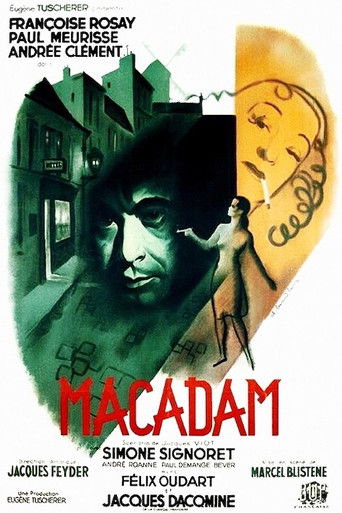
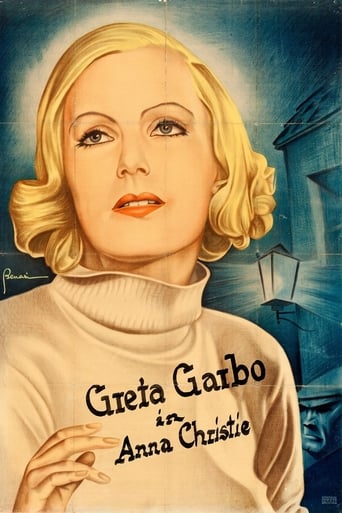
Credits
The Kiss (1929)
Director
Crainquebille (1922)
Director
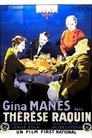
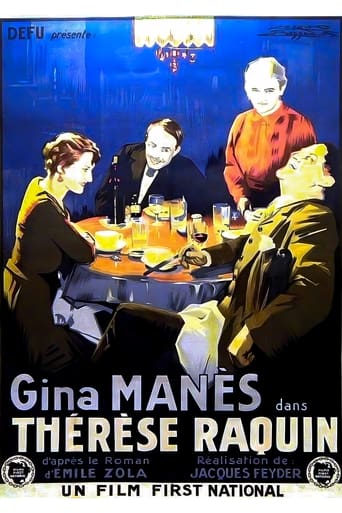
Thérèse Raquin (1928)
Director
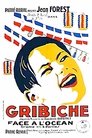
Gribiche (1926)
Director
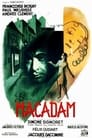
Back Streets of Paris (1946)
Director

Anna Christie (1930)
Director
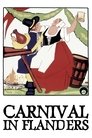
Carnival in Flanders (1935)
Director

Son of India (1931)
Director

Knight Without Armour (1937)
Director
Faces of Children (1925)
Director
L'Atlantide (1921)
Director
Monsieur Pinson policier (1916)
Director

Daybreak (1931)
Director
Pension Mimosas (1935)
Director
The Green Specter (1930)
Director

The Big House (1931)
Director

Fahrendes Volk (1938)
Director
Portrait of a Woman (1944)
Director
Carnival in Flanders (1936)
Director
The Great Game (1934)
Director
Law of the North (1939)
Director
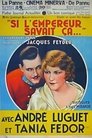
Si l'empereur savait ça (1930)
Director
Olympia (1930)
Director
La Faute d'orthographe (1918)
Director
The Portrait (1923)
Director
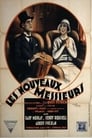
The New Gentlemen (1929)
Director
Heads... and the Women Who Use Them (1916)
Director
Carmen (1926)
Director
The Clutching Foot (1916)
Director

Biscot on the Wrong Floor (1916)
Director
People Who Travel (1938)
Director
Friendly Advice (1916)
Director
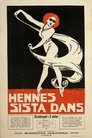
L'instinct est maître (1917)
Director